You just spent thousands prepping your yard, and now you need turf.
The problem? Half the suppliers online look identical, reviews feel staged, and you have no idea whether the rolls showing up on your driveway were harvested yesterday or last week. Pick the wrong company, and you’re staring at brown patches within a month.
This guide breaks down exactly what separates a quality turf supplier from one that will waste your money.
Why Your Choice of Turf Company Matters More Than the Turf Variety
Most buyers obsess over buffalo vs couch vs zoysia. That matters, but a premium variety from a bad supplier will underperform a mid-range variety from a great one.
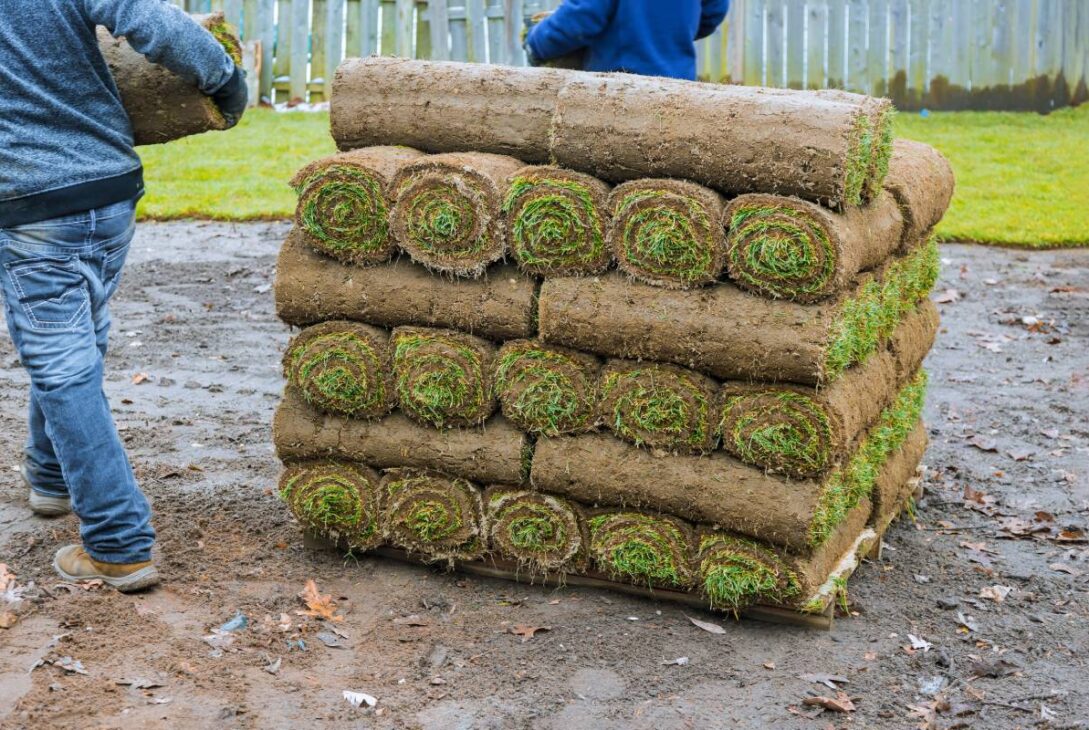
Here’s why: turf is a perishable product. Once harvested, it starts deteriorating. A supplier with poor logistics can deliver rolls that sat on a pallet in 35°C heat for two days. That turf looks green on arrival, but dies within weeks because the root system is already cooked.
According to IBISWorld, Australia’s turf growing industry is valued at $306.4 million in 2025, with only 214 businesses operating nationally. That’s a small industry with wide variance in quality and professionalism.
Check for AusGAP Certification First
AusGAP (Australian Genetic Assurance Program) is the closest thing the turf industry has to a quality stamp. It verifies that what a supplier calls “Sir Walter” is actually Sir Walter, not a generic buffalo look-alike.
Certified growers submit to independent audits on genetic purity, crop management, and customer service. If a supplier can’t tell you their AusGAP status within 30 seconds, treat that as a red flag.
Not every uncertified grower is bad. But certification removes the guesswork, and when you’re spending $8 to $15 per square metre installed, guesswork is expensive.
How to Verify Certification
Visit the AusGAP website directly and search by region. Cross-reference what the supplier claims with what the registry shows. Some companies display old or expired logos.
Ask About Harvest-to-Delivery Timeframes
Fresh turf should reach your property within 24 hours of harvest. Anything beyond 48 hours in Australian conditions risks heat stress and root damage.
Ask the supplier three specific questions:
When will my turf be harvested relative to delivery? Do you harvest to order or from a stockpile? What happens if delivery is delayed?
A reputable company harvests to order. A cost-cutting operation pre-cuts bulk stock and ships whatever is on hand.
Real-world example: A homeowner in western Sydney ordered 80 square metres of couch turf from a supplier advertising “farm fresh.” The turf arrived warm to the touch, with yellowing edges. The supplier blamed “transit conditions.” A Lawn Solutions Australia-accredited grower down the road delivered replacement turf the next morning, harvested at 5am that same day. The difference was visible within a week.
Demand Transparent Pricing (Not Just a Per-Square-Metre Quote)
Turf pricing in Australia is deceptively simple on the surface. A supplier quotes $10 per square metre, and you think you know the cost. You don’t.
Hidden charges to ask about upfront:
The Real Cost Breakdown
| Cost Component | What to Expect | Red Flag |
| Turf per m² | $8 – $18 depending on variety | Quotes under $6/m² for premium varieties |
| Delivery fee | $50 – $150 flat or tiered by distance | “Free delivery” with inflated turf price |
| Minimum order | 30 – 50m² is standard | 100m²+ minimums for residential jobs |
| Site preparation | $3 – $8/m² if supplier offers it | No site inspection before quoting prep |
| Installation labour | $6 – $12/m² | Quoting without seeing the site |
| Soil/underlay | $2 – $5/m² | Not mentioned until invoice |
| Warranty | 5 – 10 years on product (not installation) | No written warranty document |
If a supplier won’t break out each line item, they’re hiding margin somewhere. Walk away. If you’re renovating in stages, the same pricing vigilance applies across trades, whether you’re comparing turf quotes or understanding real costs for home projects like roof painting.
Evaluate Their Turf Variety Knowledge
A quality supplier doesn’t just sell turf. They match the right variety to your specific conditions: shade levels, foot traffic, soil type, and local climate.
Test this during your first conversation. Describe your yard honestly and see what they recommend. A good supplier will ask you questions back. A bad one will push whatever variety has the highest margin or the most stock.
Quick Variety Reference
Buffalo (Sir Walter, Sapphire, Palmetto): Best all-rounder for Australian conditions. Handles moderate shade. Soft underfoot. Higher price point but lower long-term maintenance.
Couch (Santa Ana, Legend, Wintergreen): Tough, fast-repairing, and affordable. Needs full sun. Goes dormant and browns off in cold winters. Popular for sports areas and high-traffic zones.
Zoysia (Empire, Nara, Sir Grange): Premium look with slow growth (less mowing). Good drought tolerance. Struggles in heavy shade and takes longer to establish.
Kikuyu: Budget-friendly and aggressive grower. Fills gaps fast but invades garden beds if not edged regularly. Best for large, sunny properties where containment isn’t an issue.
If a supplier recommends couch for a heavily shaded courtyard or zoysia for a dog run that gets hammered daily, they either don’t know their product or don’t care about your outcome.
Read Reviews, but Read Them Properly
Every turf company has glowing testimonials on their own website. Those are curated. Look for reviews on Google, ProductReview.com.au, and local Facebook community groups instead.
Pay attention to patterns, not individual comments. One bad review about late delivery is noise. Five reviews mentioning yellow turf on arrival is a pattern.
Also, check how the company responds to negative reviews. A professional supplier addresses complaints publicly, offers solutions, and takes accountability. A supplier who gets defensive or blames the customer tells you everything about their post-sale support.
Warning Signs in Reviews
Look for repeated mentions of: turf arriving hot or yellow, refusal to honour warranty claims, difficulty reaching anyone after payment, pressure to accept delivery at inconvenient times, and installers who leave site preparation debris behind.
Confirm Their Warranty in Writing
Turf warranties in Australia typically cover genetic purity and product quality for 5 to 10 years. Lawn Solutions Australia members, for example, offer a 10-year product warranty on certified varieties.
But here’s what most buyers miss: product warranties rarely cover installation failure, lack of watering, or soil issues. A supplier who implies their warranty covers “everything” is misleading you.
Get the warranty document before you pay. Read what it excludes. Ask what the claims process involves. If it requires a soil test at your expense before they’ll investigate, factor that into your decision.
Ask Who Actually Grows the Turf
Australia’s turf supply chain has two models: growers who sell direct, and resellers (sometimes called “turf traders”) who buy from farms and mark up the price.
Neither model is automatically better or worse. But you should know which one you’re dealing with.
Direct growers control harvest timing, quality, and freshness. Companies like Direct Turf, Lilydale Instant Lawn, and Musturf operate as grower-suppliers, meaning they manage the crop from paddock to delivery. Resellers add a step (and a margin) between the farm and your lawn. Some resellers are excellent and provide better customer service than the farms they source from. Others are middlemen adding cost without adding value.
Ask the supplier: “Do you grow your own turf, or do you source from partner farms?” If they source externally, ask which farm and whether you can verify the grower’s certifications independently.
Visit the Farm or Request Photos
If you’re ordering 100+ square metres, a farm visit is worth the drive. You’ll see the crop health, the operation’s professionalism, and how they handle harvesting.
If a visit isn’t practical, ask for dated photos of the current crop. A confident grower will send them without hesitation. A supplier who can’t produce evidence of their growing stock likely doesn’t have any.
Watch for These 5 Scam Tactics
The turf industry is largely honest, but a few operators exploit uninformed buyers.
Bait and switch on varieties. They quote Sir Walter pricing, then deliver a cheaper buffalo cultivar. Without certification, you can’t tell the difference until the lawn matures differently than expected.
Phantom square metres. They quote 80m² but deliver 70m². Unless you measure the rolls on arrival, you won’t notice until gaps appear during laying.
Pressure to lay immediately. “If you don’t lay it today, it’ll die.” While turf is time-sensitive, this tactic is used to prevent you from inspecting quality or measuring quantity.
No-refund policies buried in terms. Some suppliers include clauses stating that once turf leaves the farm, all sales are final, regardless of condition on arrival.
Cash-only discounts. Legitimate businesses offer multiple payment methods. A supplier pushing cash-only deals may be avoiding accountability and tax obligations.
When to Walk Away from a Turf Company
You should find another supplier if any of the following apply: they refuse to provide a written quote with itemised costs, they can’t name the specific variety they’re selling, they have no online presence or verifiable reviews, they won’t confirm harvest date before delivery, or they pressure you to pay a large deposit upfront before scheduling.
Your lawn is a long-term investment. A $200 saving on a cheap supplier can cost $2,000 or more in replacement turf, soil remediation, and wasted weekends.
Summary
- Verify AusGAP certification and harvest-to-delivery timeframes before comparing prices.
- Demand itemised written quotes, and reject any supplier who bundles costs into a single per-square-metre figure without transparency.
- Read third-party reviews for patterns, confirm warranty terms in writing, and know whether you’re buying from a grower or a reseller.
What’s your experience been with turf suppliers in Australia? Did you get a great lawn on the first try, or did you learn the hard way?