Trees are often one of the most valuable features of a property. They provide shade during Australia’s hot summers, create privacy, improve streetscapes and contribute to healthier outdoor environments. A well-maintained tree can remain an attractive feature for generations, while a neglected one can quickly become a costly liability.
Many homeowners only think about tree care after something goes wrong—a large branch falls during a storm, roots crack a driveway, or a council notice requires urgent maintenance. By that stage, the repair bill can be far higher than the cost of regular maintenance would have been.
Like any valuable asset, trees benefit from ongoing care. Routine inspections and maintenance not only keep trees healthy but can also help property owners avoid expensive repairs, emergency call-outs and potential legal issues.
Trees Are Living Assets That Change Over Time
Unlike buildings or fences, trees are constantly growing and adapting to their environment.
As they mature, branches become heavier, root systems expand and seasonal weather places different stresses on their structure. A young tree that posed no issues ten years ago may now overhang a roof, interfere with powerlines or shade solar panels.
Without regular maintenance, these gradual changes can develop into significant problems that are much more expensive to resolve.
Regular tree care allows small issues to be identified before they become major hazards.
Preventing Storm Damage Before It Happens
Australia experiences a wide range of weather conditions, from tropical cyclones in the north to severe thunderstorms and strong winds across southern states.
Even healthy trees can lose branches during extreme weather, but neglected trees are far more likely to fail.
Dead limbs, weak branch unions and hidden decay often go unnoticed until high winds expose the problem.
Routine inspections can identify:
- Dead or dying branches
- Weak structural growth
- Branches rubbing against one another
- Signs of internal decay
- Heavy limbs requiring weight reduction
Removing these risks before storm season significantly reduces the likelihood of emergency damage.
Emergency tree removals after storms are often more complicated and expensive than planned maintenance carried out under normal conditions.
Protecting Your Home From Property Damage
One overgrown branch can cause thousands of dollars in repairs.
Branches that hang above homes can damage:
- Roof tiles
- Gutters
- Solar panels
- Skylights
- Pergolas
- Outdoor entertaining areas
In many cases, the branch doesn’t need to fall completely to create problems.
Constant contact with roofs during windy conditions can wear away roofing materials over time, creating opportunities for water leaks and structural deterioration.
Regular pruning helps maintain safe clearances while preserving the overall health of the tree.
Avoiding Expensive Root Problems
Tree roots often receive far less attention than the canopy, despite causing many long-term property issues.
As trees mature, roots naturally spread in search of water and nutrients. Depending on the species and planting location, they may begin affecting nearby infrastructure.
Potential issues include:
- Lifted paving
- Cracked driveways
- Damaged retaining walls
- Blocked drainage systems
- Disturbed garden edging
- Pressure on underground services
While roots should never be cut without professional advice, early monitoring allows arborists to recommend appropriate management strategies before significant damage occurs.
Sometimes relatively minor interventions can prevent much larger repair costs later.
Healthy Trees Usually Require Less Work
Routine maintenance isn’t simply about removing hazards.
It also promotes healthier, stronger trees.
Professional pruning improves:
- Air circulation through the canopy
- Sunlight penetration
- Branch structure
- Overall balance
- New healthy growth
Healthier trees are generally more resistant to pests, diseases and storm damage.
This means fewer major interventions over the lifetime of the tree.
Early Detection Saves Money
One of the biggest advantages of regular inspections is identifying problems while they’re still manageable.
Experienced arborists can often detect:
- Early fungal infections
- Insect activity
- Root stress
- Soil compaction
- Nutrient deficiencies
- Structural weaknesses
Addressing these issues early usually costs far less than waiting until the tree becomes unsafe or requires complete removal.
For example, a minor fungal infection may only require monitoring and selective pruning if discovered early. Left untreated, however, the same disease could eventually compromise the entire tree.
Improving Safety Around Your Property
Safety should always be one of the primary reasons for maintaining trees.
Falling branches can pose serious risks to:
- Family members
- Visitors
- Neighbours
- Vehicles
- Pedestrians
Commercial property owners also have legal responsibilities to minimise foreseeable risks on their premises.
Regular maintenance demonstrates a proactive approach to safety and helps reduce the likelihood of accidents.
Supporting Property Value
First impressions matter.
Healthy, well-maintained trees often enhance a property’s appearance and contribute to stronger street appeal.
Potential buyers typically appreciate mature trees that provide:
- Shade
- Character
- Privacy
- Established landscaping
- Cooler outdoor spaces
Conversely, neglected trees with obvious dead branches or poor structure can raise concerns about future maintenance costs.
Investing in routine tree care helps protect both the landscape and the overall value of the property.
Reducing Long-Term Maintenance Costs
Many homeowners assume that postponing tree work saves money.
In reality, delaying maintenance often increases overall costs.
For example:
A small branch requiring routine pruning today may become a large limb requiring specialist equipment in five years.
A developing structural defect that could have been corrected early may eventually require complete tree removal.
Regular maintenance spreads costs over time while helping avoid unexpected emergency expenses.
Protecting Neighbouring Properties
Trees don’t recognise property boundaries.
Overhanging branches or invasive roots can affect neighbouring homes, fences and gardens.
Maintaining trees responsibly helps preserve good relationships with neighbours while reducing the risk of disputes or insurance claims.
Professional pruning also ensures that work complies with relevant Australian Standards and local council requirements where applicable.
Helping Trees Live Longer
One common misconception is that pruning damages trees.
When performed correctly by qualified professionals, pruning actually supports long-term health.
Removing:
- Dead branches
- Crossing limbs
- Weak growth
- Diseased sections
allows the tree to focus its energy on healthy development.
Many mature trees continue thriving for decades with appropriate care.
Planning Around Future Growth
One advantage of regular maintenance is that it allows property owners to plan ahead.
Rather than reacting to problems, arborists can recommend gradual management strategies as trees mature.
This might include:
- Crown thinning
- Selective canopy reduction
- Structural pruning for younger trees
- Growth monitoring
- Risk assessments before renovations
Long-term planning often produces better outcomes than making major cuts after problems have already developed.
Why Professional Tree Care Makes a Difference
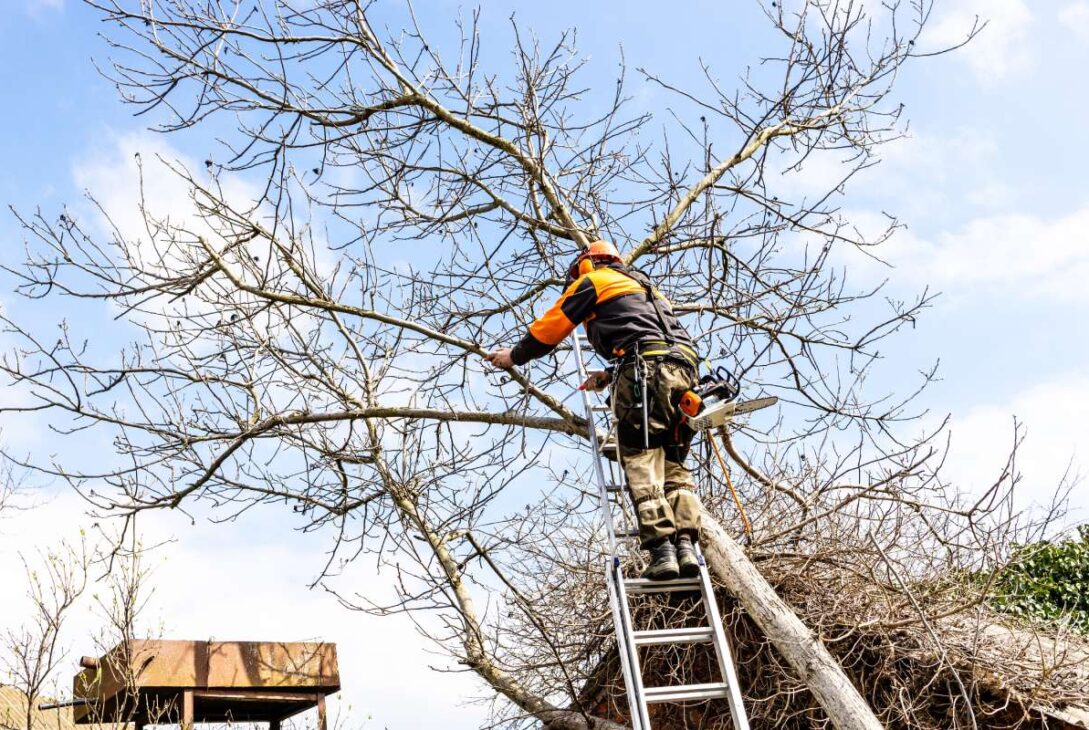
Tree maintenance involves far more than simply cutting branches.
Improper pruning can:
- Create unstable growth
- Increase disease risk
- Shorten tree lifespan
- Weaken structural integrity
- Encourage excessive regrowth
Qualified arborists understand how different species respond to pruning, how much canopy can safely be removed and when maintenance should occur throughout the year.
Tree Maintenance Is an Investment, Not an Expense
Routine tree care is sometimes viewed as another household cost to postpone.
However, when compared with the potential expense of repairing storm damage, replacing fences, fixing cracked driveways or dealing with emergency tree removals, preventative maintenance is often one of the most cost-effective investments a property owner can make.
Healthy trees continue delivering environmental, financial and lifestyle benefits for many years when properly cared for.
Final Thoughts
Trees enrich Australian homes and landscapes, but like any living asset, they require ongoing attention. Regular maintenance helps identify potential issues before they escalate, reducing the likelihood of costly repairs, emergency call-outs and avoidable safety risks.
Whether it’s protecting your home from storm damage, preserving property value or extending the life of mature trees, preventative tree care consistently proves more affordable than reactive solutions.
By scheduling regular inspections and working with qualified arborists, property owners can enjoy the many benefits trees provide while minimising the financial surprises that neglected maintenance often brings.
FAQs
How often should trees be professionally inspected?
Most residential properties benefit from a professional inspection every one to three years, although older trees, large specimens or trees near buildings may require more frequent assessments.
Does regular pruning reduce storm damage?
Yes. Removing dead, weak or overextended branches helps improve a tree’s structural stability and reduces the likelihood of branch failure during severe weather.
Can regular maintenance prevent tree removal?
In many cases, yes. Early intervention can address structural or health issues before they become severe enough to require complete removal.
Is tree maintenance cheaper than emergency tree removal?
Almost always. Planned maintenance is generally less expensive because it can be carried out safely under normal conditions without the urgency, equipment and labour often required during emergencies.
Can tree roots be managed without removing the tree?
Sometimes. Depending on the species, location and extent of root growth, arborists may recommend root management, barrier systems or monitoring instead of removal.
What’s the best time of year for tree maintenance?
The ideal timing depends on the tree species and the type of work required. A qualified arborist can recommend the most suitable maintenance schedule for your local climate and landscape.